


Scientists have discovered 1,121 new marine species in a single year, marking a significant step forward in efforts to document life in the world’s oceans.
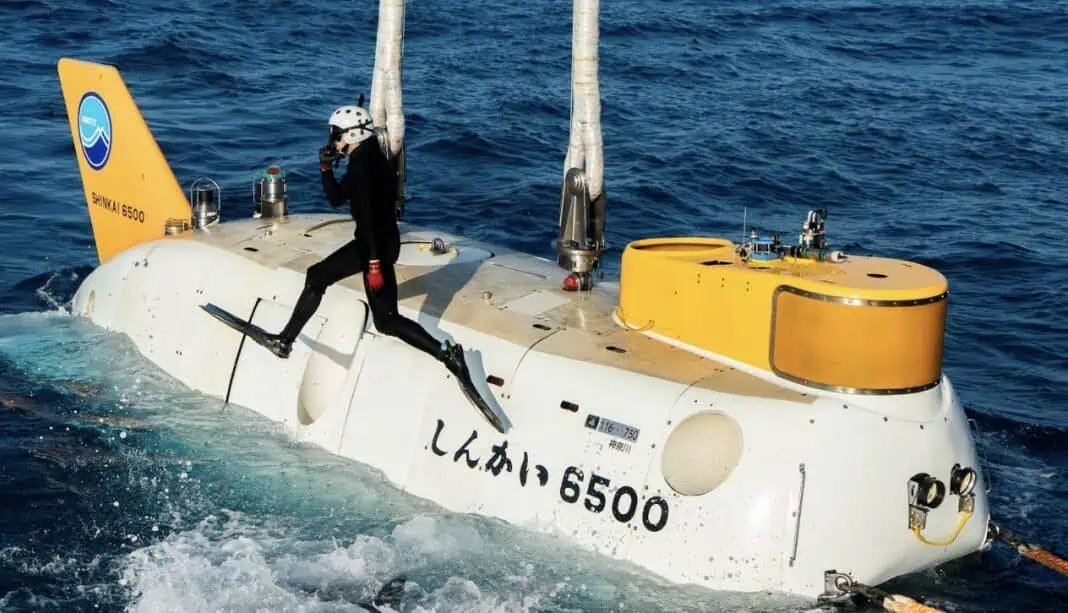
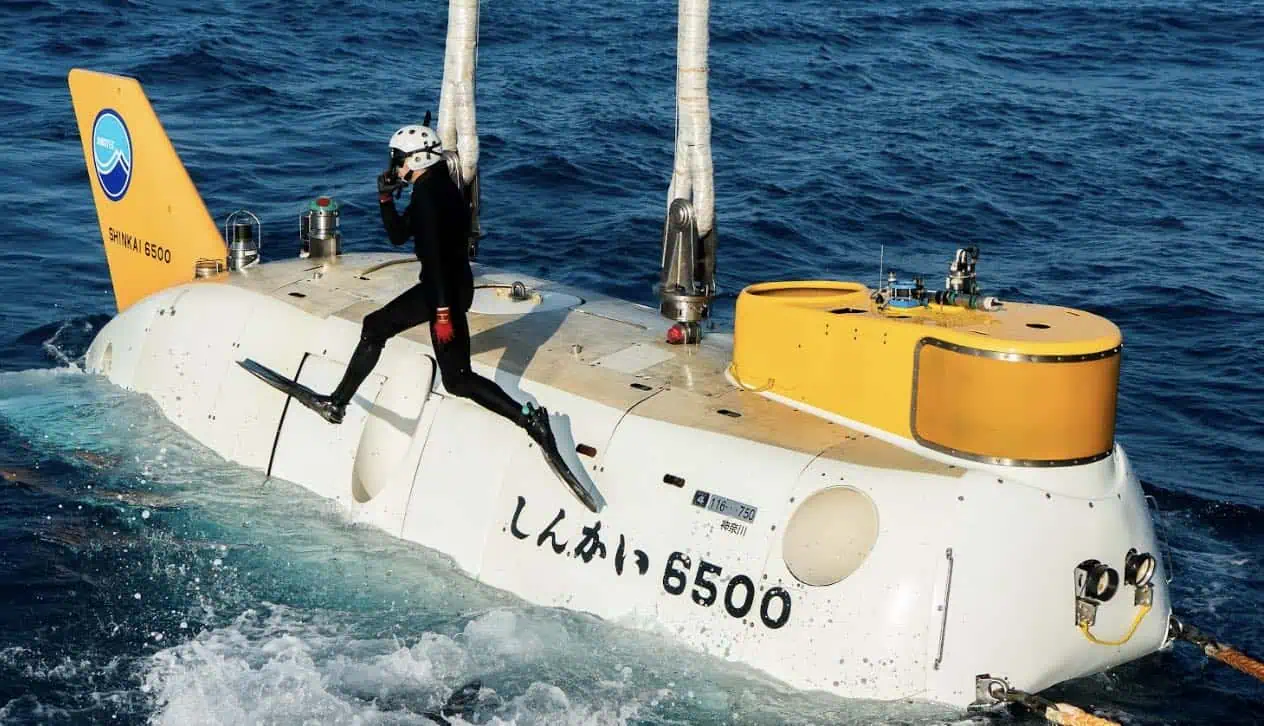
The Nippon Foundation-Nekton Ocean Census, the world’s largest mission to accelerate ocean species discovery, marks a pivotal third year with 13 expeditions across some of the world’s most remote and least explored ocean regions, in partnership with JAMSTEC, CSIRO and the Schmidt Ocean Institute.
With up to 90% of ocean species still undiscovered, the findings highlight both the sheer scale of life yet to be documented and the importance of building scientific data that policymakers and marine managers need to protect the ocean.
Dr. Michelle Taylor, head of science at Ocean Census, said:
“With many species at risk of disappearing before they are even documented, we are in a race against time to understand and protect ocean life. For too long, thousands of species have remained in a scientific ‘limbo’ because the pace of discovery couldn’t keep up. We are now breaking that bottleneck. By accelerating discovery and sharing data globally, we are not just finding new life, but generating the evidence needed to drive global science and policy at a critical moment.”
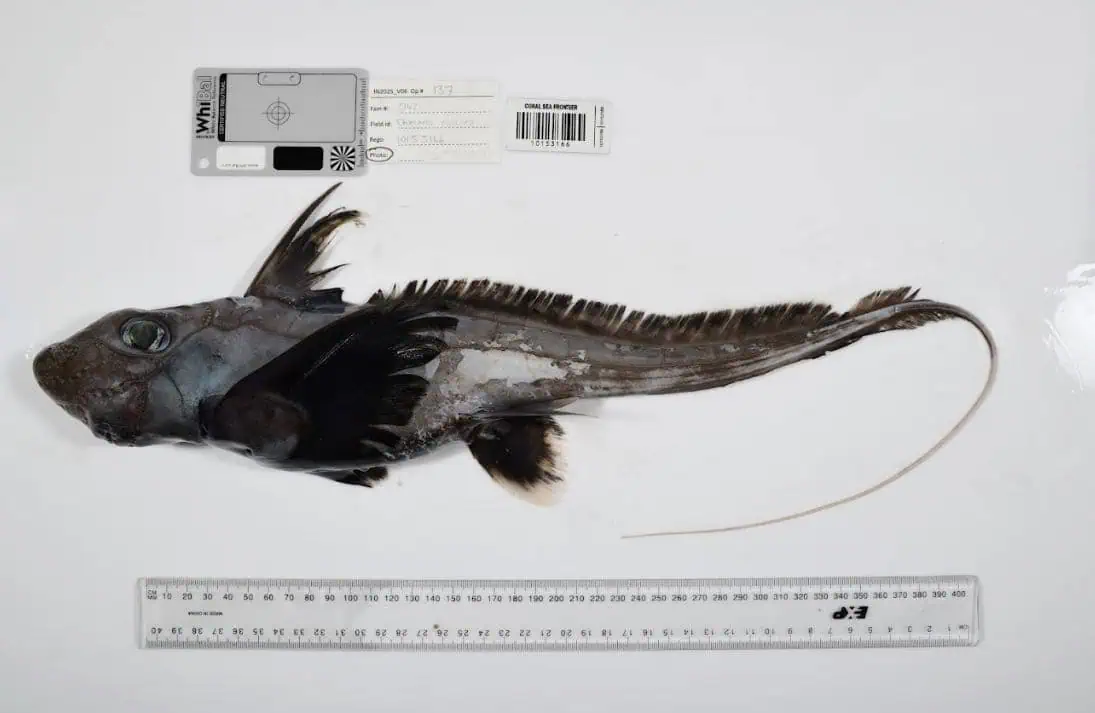
One of the newly discovered species is the “Ghost Shark” Chimaera, seen in the Coral Sea Marine Park, Australia at a depth of 802–838 meters/2,631-2,749 feet. Chimaeras are among the most mysterious inhabitants of the deep ocean. Distant relatives of sharks and rays, they diverged into a distinct evolutionary lineage nearly 400 million years ago – predating the dinosaurs. The species was discovered by taxonomist Dr. William White during a CSIRO expedition to the Coral Sea Marine Park, off the Queensland coast. Today, a third of sharks, rays and chimaeras are vulnerable to extinction.
Mitsuyuku Unno, executive director of the Nippon Foundation, said:
“This year, Ocean Census has shown what is possible when scientific ambition is matched by global collaboration at scale. Through expeditions reaching polar depths to tropical seas, and the science to turn samples into discoveries, this team is revealing the extraordinary richness of ocean life.”
Historically, the average time between a species’ initial discovery and its formal “description” in scientific literature is 13.5 years — meaning species are at risk of extinction before they are even catalogued. To address this, Ocean Census and collaborators are recognizing “discovered” as a formal scientific status that can be immediately recorded in NOVA, a new digital platform for marine species data.
Ocean Census NOVA makes collected data available within weeks, or even days, through a systematic, transparent and open-access approach. Driving NOVA and Ocean Census is a science network of over 1,400 contributing taxonomists and scientists from 660 institutions in 85 countries.
These 1,121 new marine species represent the outputs from a coordinated global alliance committed to transforming the speed at which we can discover marine life. High-quality data of this kind is the foundation for international action, providing the vital science required for the High Seas “Biodiversity Beyond National Jurisdiction” Treaty and the Kunming-Montreal Global Biodiversity Framework.
As the Ocean Census scales, its global network and open-access platform, NOVA, will help ensure that this critical data is available to inform global decision-making.
Ocean Census has spent three years building the systems, networks and infrastructure required to discover ocean life at speed and scale. Ocean Census co-founder Nekton is seeking US$100 million/~€85.9 million in catalytic capital to unlock over $75 million/~€64 million already pledged by partners, driving progress toward the ambition of discovering 100,000 new marine species.
Oliver Steeds, director of Ocean Census, said:
“We spend billions searching for life on Mars or going to the dark side of the moon. Discovering the majority of life on our own planet — in our own ocean — costs a fraction of that. The question is not whether we can afford to do this. It is whether we can afford not to.”

