


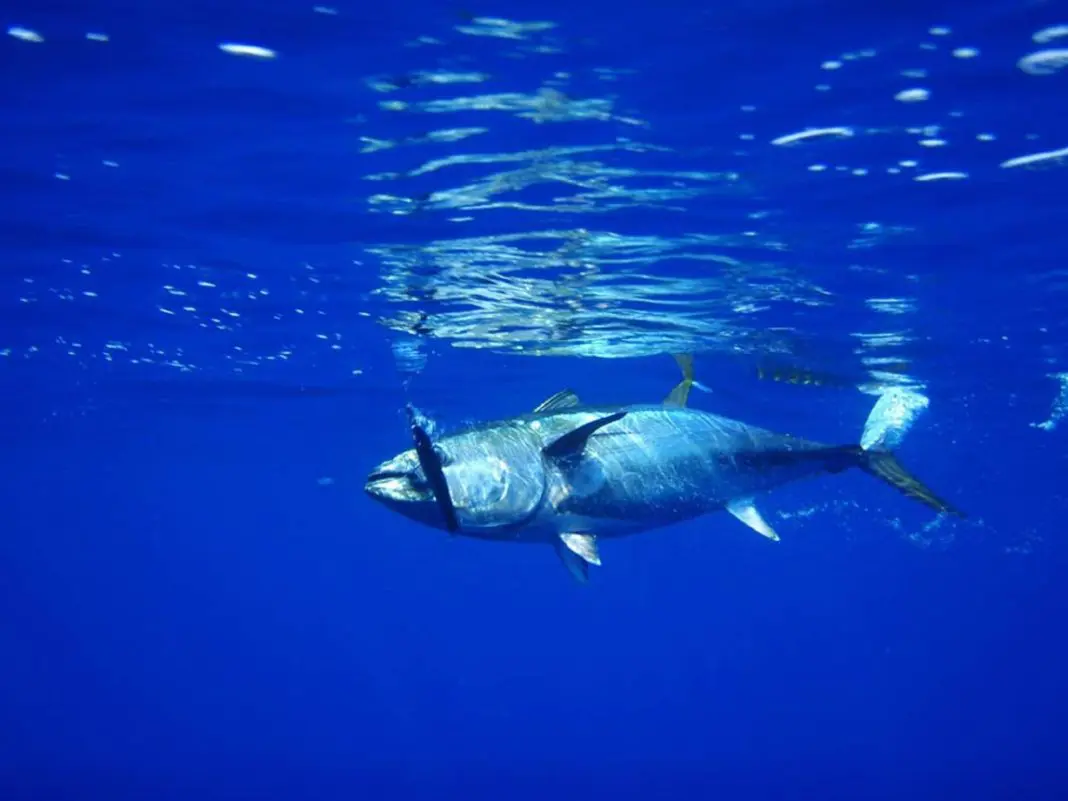
The International Seafood Sustainability Foundation has issued a position statement urging action ahead of the annual Inter-American Tropical Tuna Commission (IATTC) meeting in September.
The statement has outlined three science-driven priorities to safeguard tuna populations and their ecosystems:
- Embedding Harvest Strategies
Harvest strategies set clear objectives, reference points, and harvest control rules in advance. This helps reduce short-term political pressures and aligns fishing limits with scientific advice. The ISSF urges the commission to:
-
- Finalize management strategy evaluations (MSE) for all tropical tunas.
- Accelerate the adoption of comprehensive, precautionary harvest strategies.
- Integrate these strategies into long-term plans.
- Boosting Observer Coverage with Electronic Monitoring
Reliable data on catch, effort, and bycatch is essential for effective management. Current IATTC rules mandate just 5% observer coverage for longline vessels, and none for small-scale purse seiners, leading to gaps in bycatch estimates and compliance oversight. ISSF recommends the following:
-
- Increase observer coverage on large-scale longline vessels with a clear timeline to 100% observation.
- Require an interim 20% coverage for small-scale purse seine vessels, with the goal of moving toward full coverage.
- Leverage electronic monitoring systems, cameras, sensors, and data transmissions to cost-effectively expand coverage and ensure independent verification.
- Implementing Science-Based Conservation Measures
Healthy stock levels present an opportunity to refine management without compromising the population. The ISSF supports IATTC scientific staff proposals to:
-
- Reduce the purse seine seasonal closure by up to 10 days, or by 7 days while eliminating the “corralito” area.
- Maintain the Individual Vessel Limit (IVL).
- Mandate detailed set-by-set and vessel-specific catch and effort data for longline fisheries.
You can find the full ISSF position statement here.

