


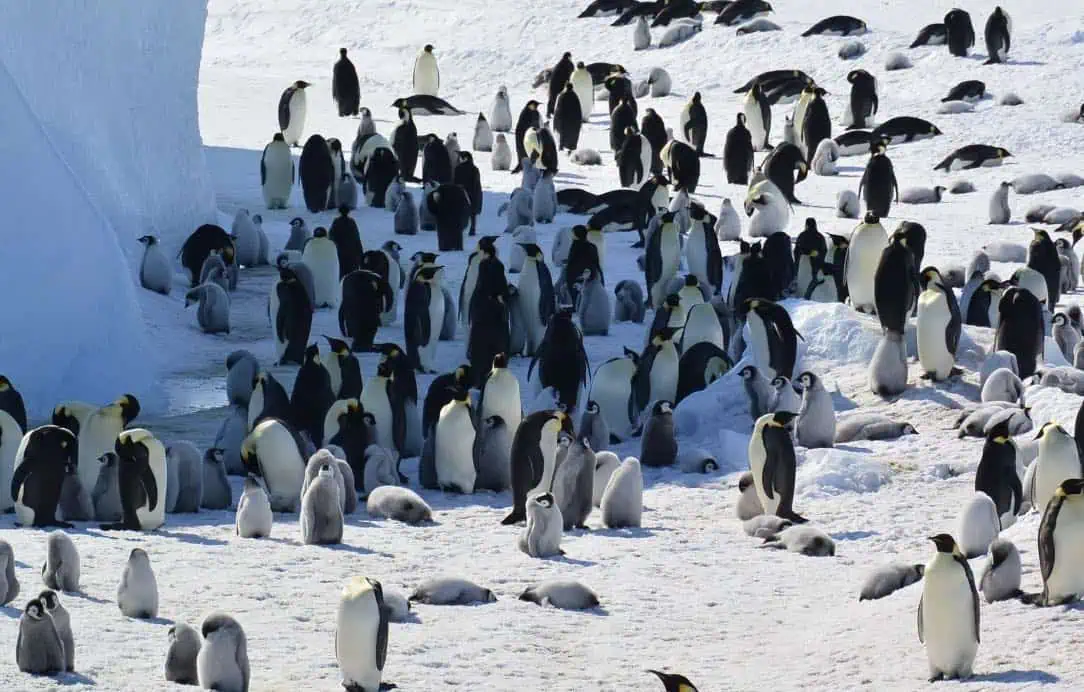
The emperor penguin and Antarctic fur seal are now both “Endangered,” according to the International Union for the Conservation of Nature’s Red List of Threatened Species.
Climate change in Antarctica is leading to the loss of sea ice that are projected to cause the emperor penguin population to halve by the 2080s, while reduced food availability has already driven a 50% reduction in the Antarctic fur seal population since 2000, according to the IUCN. The southern elephant seal is also now at risk of extinction, due to disease.
IUCN Director General Dr. Grethel Aguilar said:
“These important findings should spur us into action across all sectors and levels of society to decisively address climate change. The declines of the emperor penguin and Antarctic fur seal on the IUCN Red List are a wake-up call on the realities of climate change. As countries prepare to gather at the Antarctic Treaty Consultative Meeting in May, these assessments provide essential data to inform decisions regarding this majestic continent and its awe-inspiring wildlife. Antarctica’s role as our planet’s ‘frozen guardian’ is irreplaceable – offering untold benefits to humans, stabilizing the climate and providing refuge to unique wildlife.”
Martin Harper, CEO of BirdLife International which coordinated the emperor penguin assessment as the authority for birds on the IUCN Red List, said:
“Penguins are already among the most threatened birds on Earth. The emperor penguin’s move to Endangered is a stark warning: climate change is accelerating the extinction crisis before our eyes. Governments must act now to urgently decarbonize our economies.”
Satellite images indicate a loss of around 10% of the emperor penguin population between 2009 and 2018 alone, equating to more than 20,000 adult penguins, according to the IUCN.
Dr. Philip Trathan, member of the IUCN SSC Penguin Specialist Group who worked on the emperor penguin Red List assessment, said:
“After careful consideration of different possible threats, we concluded that human-induced climate change poses the most significant threat to emperor penguins. Early sea-ice break-up in spring is already affecting colonies around the Antarctic, and further changes in sea-ice will continue to affect their breeding, feeding and moulting habitat. Emperor penguins are a sentinel species that tell us about our changing world and how well we are controlling greenhouse gas emissions that lead to climate change.”
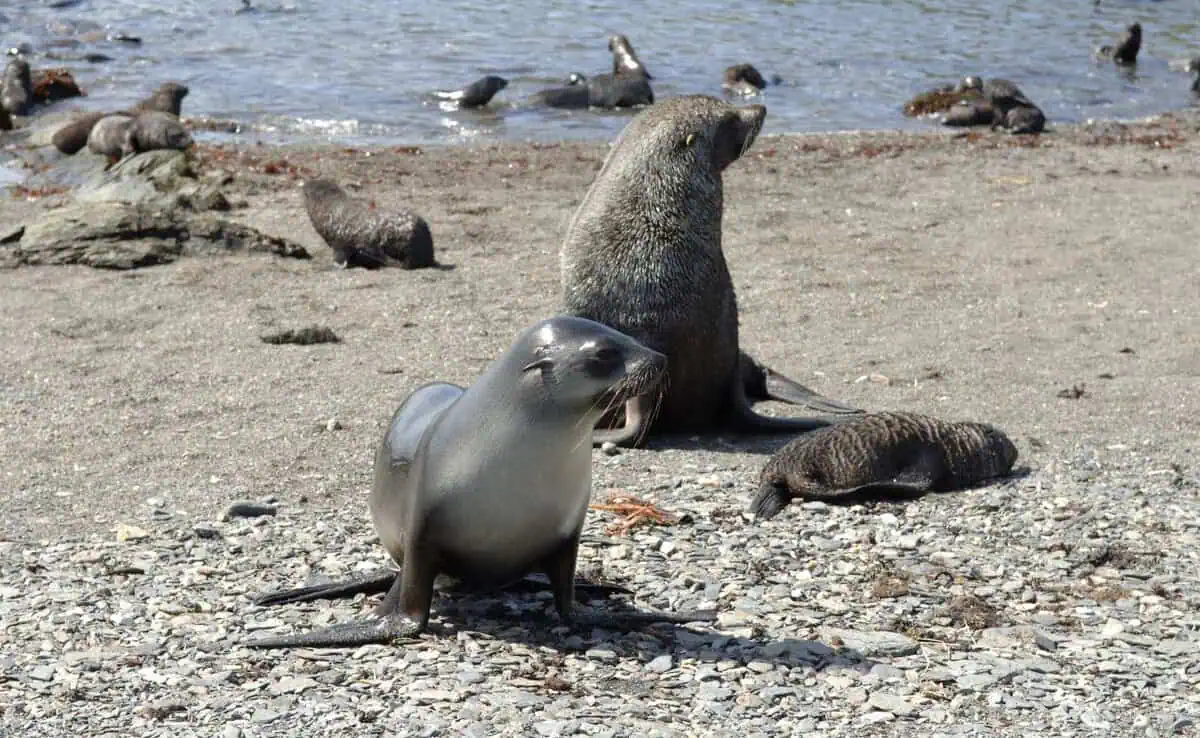
The Antarctic fur seal (Arctocephalus gazella) has moved from “Least Concern” to “Endangered” on the IUCN Red List, as its population has decreased by more than 50 percent from an estimated 2.18 million mature seals in 1999 to 944,000 in 2025. The ongoing decline is due to climate change, as rising ocean temperatures and shrinking sea ice are pushing krill to greater ocean depths in search of colder water, reducing the availability of food for seals.
Krill shortages at South Georgia have reduced the survival of pups in their first year dramatically, leading to an ageing breeding population. Other threats, such as predation by killer whales and leopard seals and competition with recovering baleen whale populations targeting the same krill, are potentially also impacting this declining population.
According to Dr. Kit Kovacs, Co-Chair of the IUCN SSC Pinniped Specialist Group:
“These assessments sound an alarm for all Antarctic seals, as we are concerned about how environmental changes are affecting all ice-dependent species. Monitoring of the effects of climate change in Antarctica is urgently needed. While logistically challenging and expensive to access this part of the world, the IUCN SSC Pinniped Specialist Group calls for the collection of more data on seals in the region by all of the Parties to the Treaty.”
The new assessments are available on the IUCN Red List’s pre-publication page. The new assessments will be published on the emperor penguin and seals’ species profiles as part of a broader Red List update later this year.

