


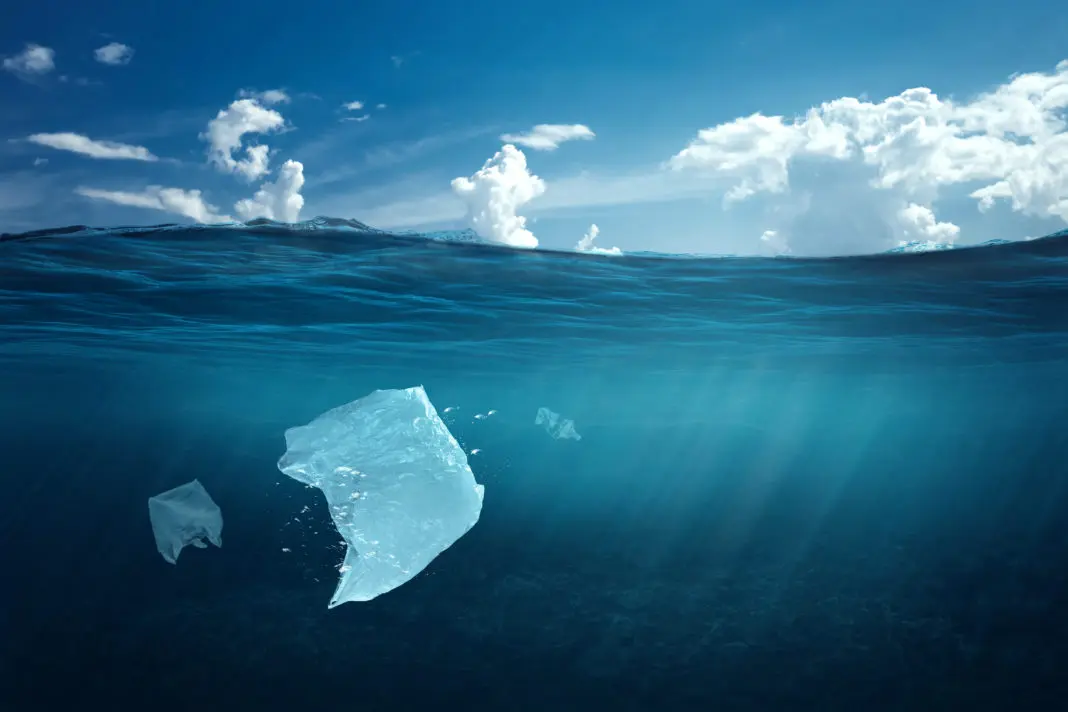
Scientists from the Woods Hole Oceanographic Institution’s microplastics team have issued a stark warning that plastic pollution poses an increasingly significant risk to both human health and the planet’s ecosystems.
The new research has linked plastic across its whole life cycle, from production and use to degradation, with adverse health outcomes and environmental damage.
The research published in the British medical journal The Lancet has shown how plastic chemicals, micro- and nano-particles and their breakdown products infiltrate air, water, soil, wildlife and human bodies. It documents widespread contamination in remote locales and in people of all ages, highlighting disproportionate impacts on infants, children, and vulnerable communities.
According to the report, co-author John Stegeman, a marine biologist and WHOI senior scientist said:
“There is a direct connection between human health and the health of the environment, particularly the ocean. And the health of the ocean is threatened in many, as-yet unknown ways by the presence and degradation of plastic from the surface to the deep seafloor. This report is a clarion call for leaders at all levels of society to take meaningful, science-based action that protects human health and the planetary systems that support us all.”
While fellow co-author, leader of the WHOI microplastics initiative and senior scientist and marine chemist, Chris Reddy, stated:
“One of the biggest challenges we face is the fact that plastics are not a single substance. Plastics are, in fact, thousands of polymers that take countless forms and include tens of thousands of chemical additives. A single piece of plastic released into the ocean is subject to any number of external forces that determine how it interacts with its surroundings — and with us.”
According to the lead author, Prof. Philip Landrigan, MD, a paediatrician and epidemiologist as well as director of the Global Observatory on Planetary Health at Boston College:
“We know a great deal about the range and severity of the health and environmental impacts of plastic pollution across the full life cycle of plastic. These impacts fall most heavily on vulnerable populations, especially infants and children. They result in huge economic costs to society. It is incumbent on us to act in response. To those meeting in Geneva: please take up the challenge and the opportunity of finding the common ground that will enable meaningful and effective international cooperation in response to this global crisis.”

