


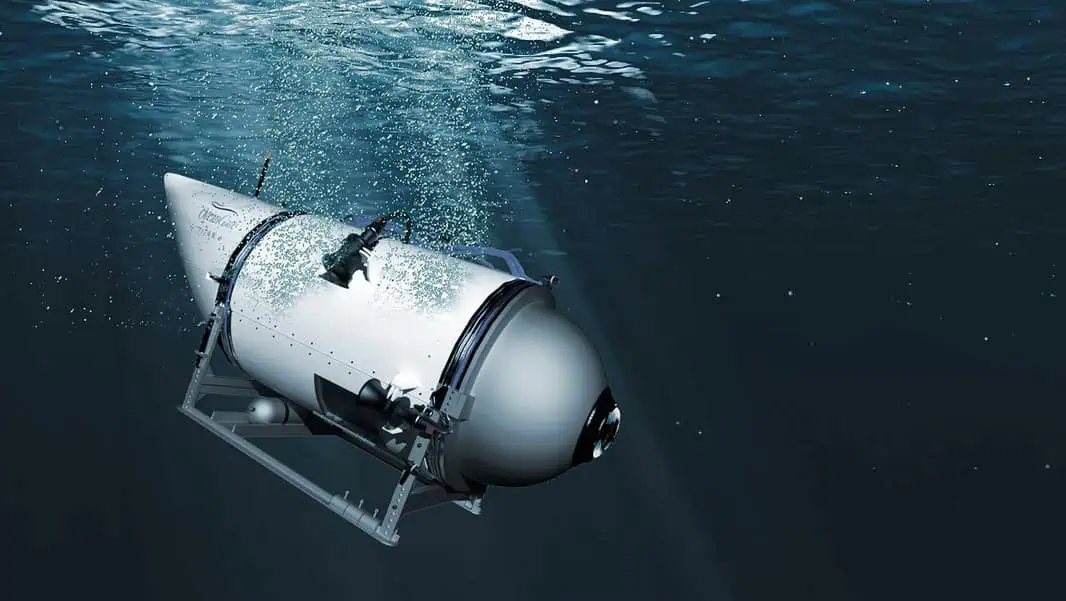
The US Coast Guard this week released its report on the OceanGate submersible disaster, heavily criticizing the company’s CEO for failing to follow established engineering safety, testing and maintenance protocols as well as fostering a toxic work environment.
In June 2023, five people — including OceanGate Founder and CEO Stockton Rush — perished when the Titan submersible imploded during a dive to the Titanic wreck site in the North Atlantic .
A week after the disaster, the Coast Guard convened a Marine Board of Investigation (MBI) to look into the incident. In September 2024, the Coast Guard began a series of hearings on the implosion.
The more-than-300-page Report of Investigation (ROI) by the board released this week outlines key findings and contributing factors in the incident and includes 17 safety recommendations aimed at strengthening oversight of submersible operations, improving coordination among federal agencies and closing gaps in international maritime policy.
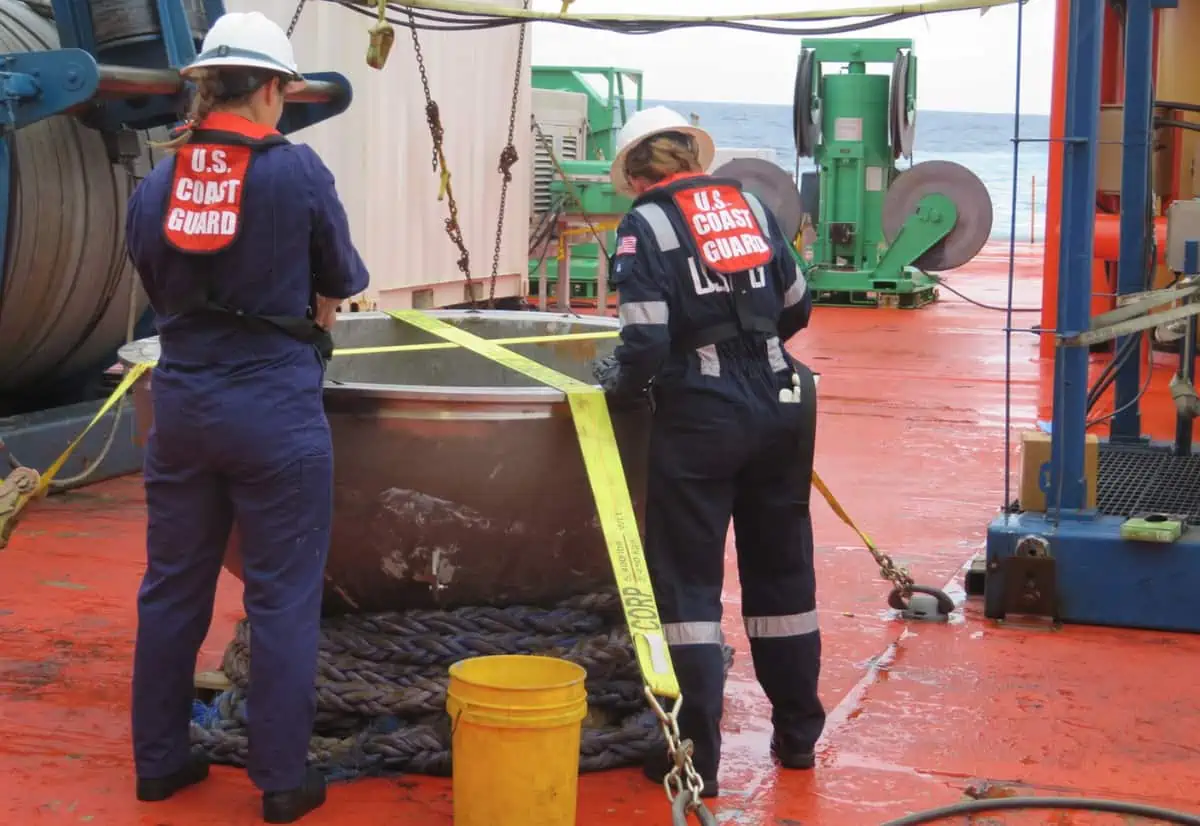
Titan MBI chair Captain Jason Neubauer said in a statement that the loss of life was “preventable,” adding:
“The two-year investigation has identified multiple contributing factors that led to this tragedy, providing valuable lessons learned to prevent a future occurrence. There is a need for stronger oversight and clear options for operators who are exploring new concepts outside of the existing regulatory framework. I am optimistic the ROI’s findings and recommendations will help improve awareness of the risks and the importance of proper oversight while still providing a pathway for innovation.”
The board determined the primary contributing factors were OceanGate’s inadequate design, certification, maintenance and inspection process for the Titan. Other factors cited in the report include the company’s toxic workplace culture, an inadequate domestic and international regulatory framework for submersible operations and vessels of “novel design” as well as an ineffective whistleblower process.
During the September 2024 hearings, former OceanGate Engineering Director Tony Nissen told investigators that in 2018, he refused to get into the submersible when CEO Rush allegedly asked him to serve as a pilot:
“It’s the operations crew, I don’t trust them. I didn’t trust Stockton either. You can take a look at where we started when I was hired. Nothing I got was the truth.”
The board also found OceanGate failed to properly investigate and address known hull anomalies following its 2022 Titanic expedition. Investigators determined the Titan’s real-time monitoring system generated data that should have been analyzed and acted on during that expedition. However, OceanGate didn’t take any action related to the data, conduct any preventative maintenance or properly store the Titan during the extended offseason before its 2023 Titanic expedition, according to the report.

Photo by Madelgarius, CC BY-SA 4.0 <https://creativecommons.org/licenses/by-sa/4.0>, via Wikimedia Commons
The report’s recommendations include restricting the “Oceanographic Research Vessel” designations for submersibles, expanding federal and international requirements to all submersibles conducting scientific or commercial dives and requiring Coast Guard documentation for all US submersibles.
The board also recommended increasing Coast Guard personnel capacity at the service’s headquarters to support new construction oversight and field inspections involving submersibles and vessels of “novel design.”
Further recommendations include requiring operators to submit dive and emergency response plans to the local Coast Guard officer in charge of marine inspection; evaluating the Coast Guard’s subsea search and rescue capabilities; and working with the International Maritime Organization to define passenger submersibles and expand international safety requirements for submersibles operating on the high seas.
The board also called for a new agreement between the Occupational Safety and Health Administration and the Coast Guard to clarify whistleblower investigative protocols and improve interagency coordination.
The Coast Guard commandant is now reviewing the Marine Board’s report. Once that review is completed, the commandant will issue a “Final Action Memorandum” confirming the Coast Guard’s position on the recommendations and any actions to be pursued.
Read the full report, or check out the video from the 2024 hearings below.

