


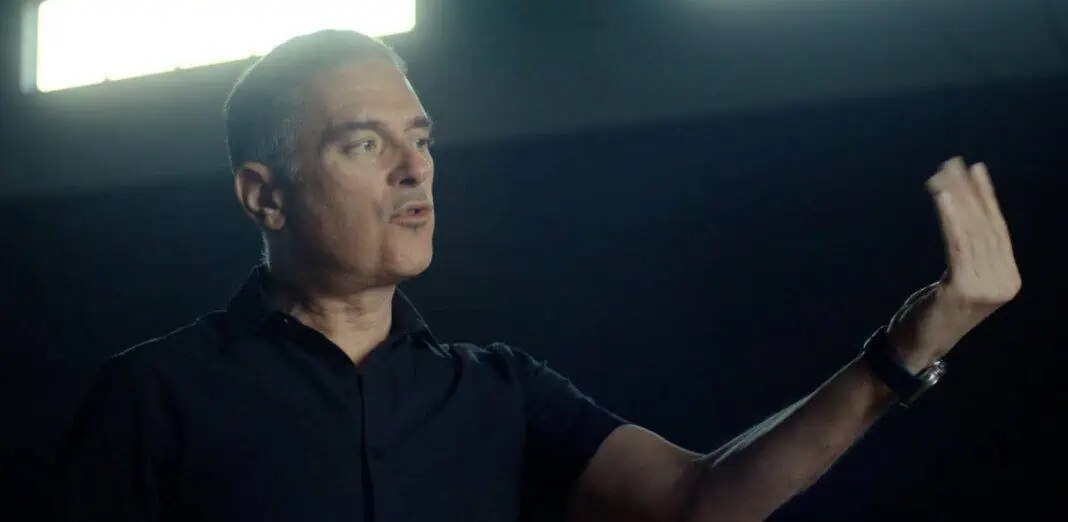
Freediving instructor and consultant Kirk Krack this week announced he had parted ways with DEEP, an international research and development organization engineering new technologies that will improve understanding and preservation of the planet’s deep-water environments.
Krack was the Human Diver Performance Lead at DEEP for three years. In a LinkedIn post this week, he wrote:
“It’s been an incredible chapter — one that pushed me to learn so much about another side of the oceaneering and ocean sciences world that included helping build the vision of ’21st Century Marine Exploration’ via subsea underwater habitats, alongside a genuinely talented team. I’m deeply grateful for that experience and for the relationships built along the way.
“To my friends at DEEP: I wish you nothing but continued success. What you’re building matters, and I’ll be cheering from the sidelines.
“Looking ahead, I’m excited about what comes next. I’m looking forward to new opportunities with companies that bring together my strengths in multi-disciplined diving, human performance, and business development and my current developed knowledge from DEEP — organizations that are serious about team development, and collaboration in the oceaneering, science, and human performance fields.
“If that sounds like your team, or you know someone building something like this, I’d love to connect. For now I’ll be working with the Liminal Collective on their many exciting human performance projects into the future and also on my own projects mapping out the advancement of human potential in the water.”
Earlier this summer, DEEP successfully installed Vanguard, the first open-ocean, subsea human habitat built, tested and deployed in the United States in more than 40 years.
The installation off the Florida Keys marked the transition from engineering project to operational ocean infrastructure, and the next step toward a continuous human presence beneath the sea, DEEP said.
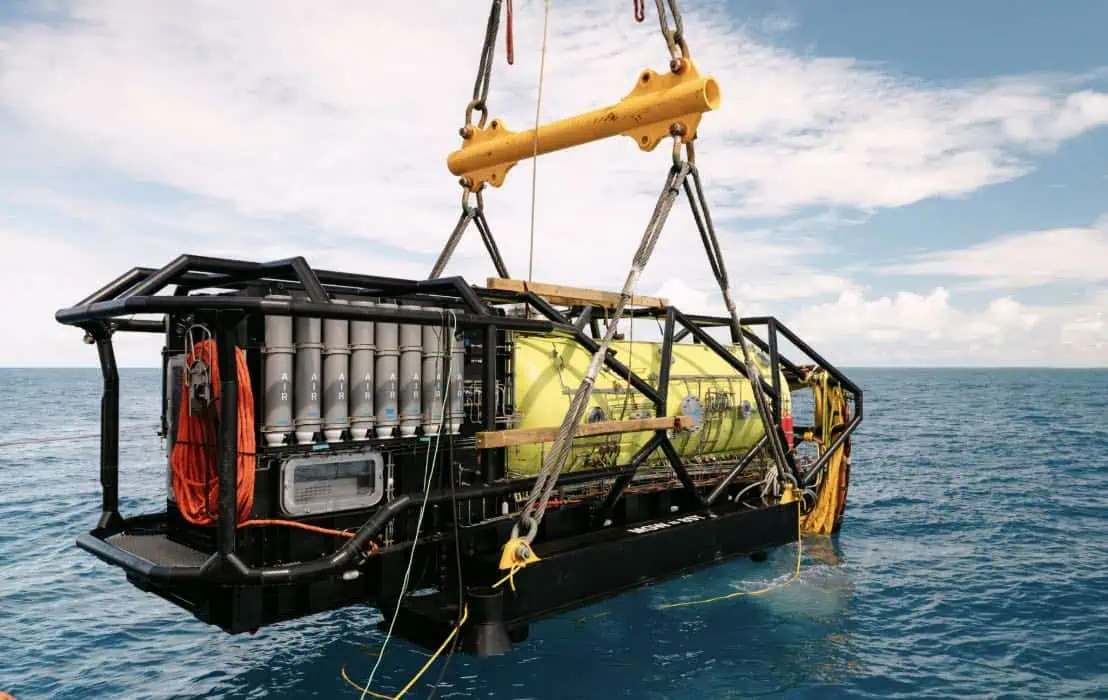
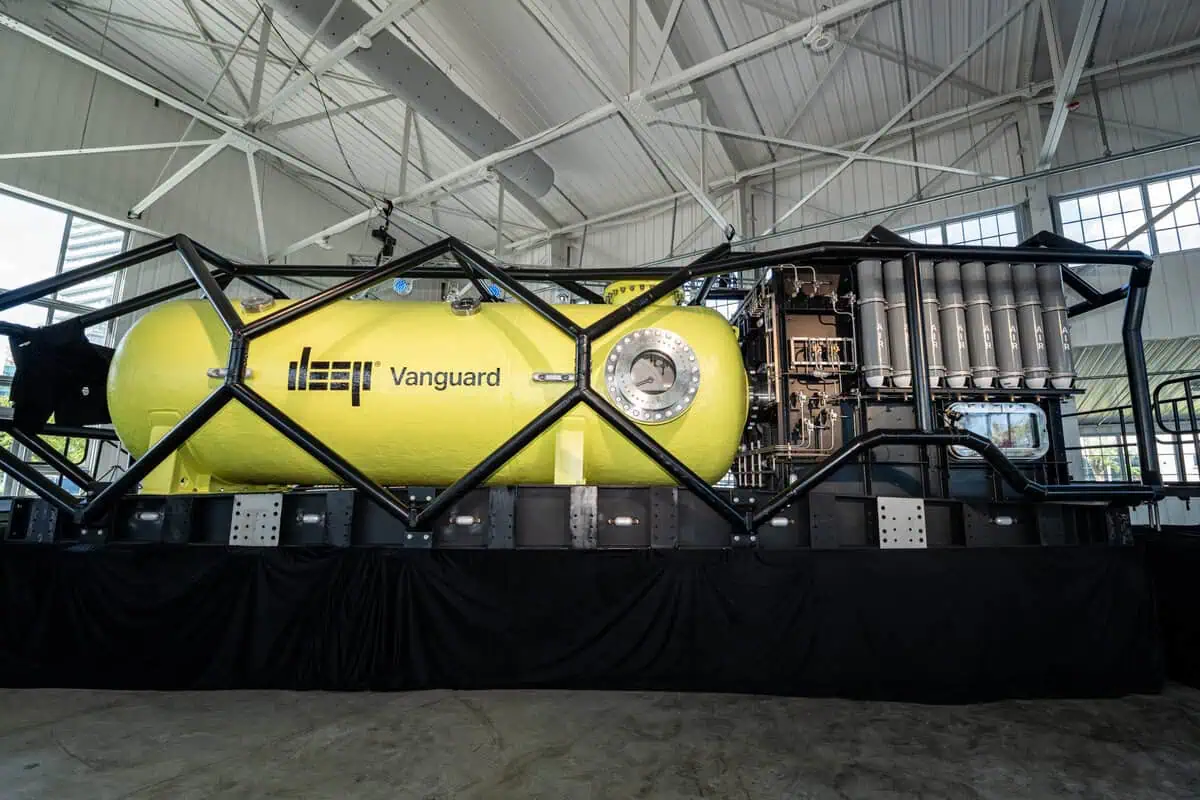
Vanguard is DEEP’s pilot subsea habitat and a stepping stone to Sentinel, the company’s flagship habitat program designed to support larger crews on longer underwater missions.
Vanguard’s unveiling to the public last November was a “seminal moment,” Krack said at the time: “We’ve had a permanent human presence in space for decades, but not in the ocean. That’s what we’re here to change.”
“We’re building on the work of giants,” he added, referencing Jacques Cousteau’s Conshelf and the Aquarius Reef Base.
DEEP’s mission is bold: Make Humans Aquatic. By 2027, the goal is a permanent human presence beneath the sea.
By living at depth, scientists can study marine life in situ (its own environment), instead of through ROVs and cameras, process specimens without the chemical changes that occur when samples are brought to the surface, and complete extended missions that allow more bottom time and less decompression.
“This is a force multiplier,” Krack explained in November. “In 30 days, we could do what would take 12 years of traditional diving.”

