


Freediving instructors are usually described as “very patient.” Of course, it comes with the territory; nothing’s more boring than watching a group of students do static breath-hold requirements!
But even the most patient instructors have limits. I’m not talking about nervous divers, people who have trouble mastering equalization, or students who need extra sessions to pass requirements – they’re usually what makes instructing so fulfilling and rewarding. I mean the students who make instructors’ eyes twitch behind their masks and teeth grind into their snorkels.
There are four types of students in particular. If you’re reading this before your first freediving course, for the love of Alexey Molchanov, please don’t be one of these students!
The Non-Swimmer
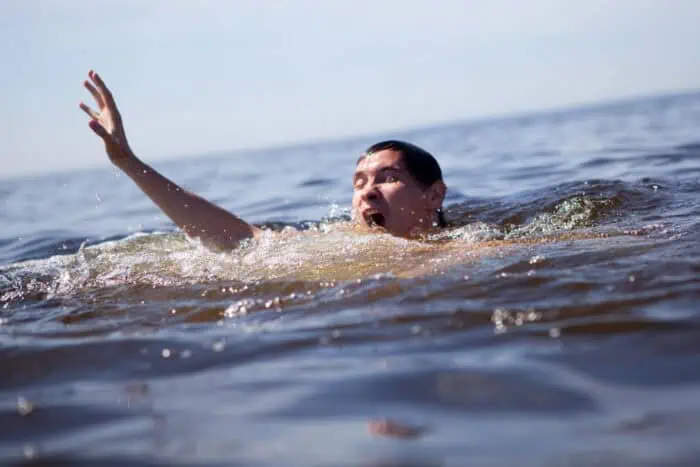
Nothing drives instructors crazier than students looking for a certification course with a small caveat: “I don’t know how to swim.” Who’s spreading the rumor that you don’t need to swim to freedive? Probably a scuba diver…
Freediving, in itself, is already a very mental sport that’s challenging even for those who are comfortable in the water. Relaxation is key to longer breath-holds, effective equalization, avoiding injuries, and so much more. The question is, how can you keep calm going underwater when you’re worried about keeping your head above water?
The truth is: you must be able to swim to learn freediving, and trusted certification courses require you to be able to swim a set distance just to start the course. So do yourself (and your instructor) a favor by taking swimming lessons at your local pool before taking a course!
Of course, there are people who can swim but are nervous about the ocean or deep water, or who have had a near-drowning experience in the past. If you’re one of these people, don’t worry; instructors are never annoyed by that. But do yourself a favor and book a 1-on-1 course so that you can have the instructor’s full attention and learn how to comfortably navigate through and, with tons of practice, eventually overcome your fears!
The Bargain Hunter
As an instructor, it boggles my mind when students come and ask for discounts, or say that a course is overpriced. Sure, group discounts are a thing! But I once had a backpacker ask if we have a student discount.
Does the monetary cost of marketing or maintaining teaching equipment have a discount? Will an instructor have to do fewer dives in the open water sessions or spend less time making sure a student is diving safely? And don’t even get me started on people who think freediving should be cheaper than scuba!
I’m all for freediving scholarships, free or reduced-cost courses to introduce freediving to the local community, and work-exchange situations. But a traveler seeking discounts on a course that teaches you how to stay safe underwater? Like I’d say to my little sister when she was looking for her first scuba course: Don’t be cheap with your life!
The Pusher
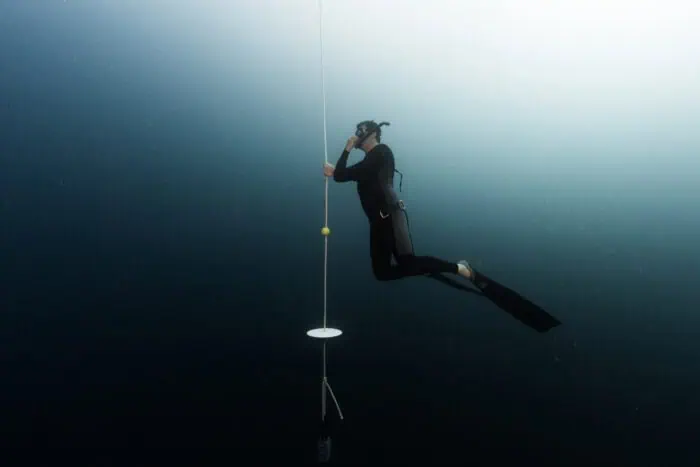
There are always students who wants to go beyond the limits an instructor sets, whether it’s doing deeper dives, going further in the pool, or “just one more dive.”
But what students don’t realize is that there’s a reason instructors set limits on dives, whether it’s static breath-hold times, pool distances, or depth. For example, if a student can reach 10m (33ft) easily and is itching for 12m (40ft), but doesn’t have good technique, an instructor might keep them at 10m to work on form before adding depth. Why? It’s easier to refine technique at a comfortable depth than while managing the mental pressure of going deeper. Pushing too hard, too fast, is also how you end up with injuries or mental blocks later down the line.
So, in the interest of slow progression, technique development, your mental state, and safety, just trust your instructor’s methodology – even when it feels like they’re just reining you in!
Mr./Miss “You Don’t Need a Course to Freedive”
Sometimes instructors get requests from people who were never certified, or only did an AIDA 1 intro course (which isn’t a full certification). That person might say they’ve gone freediving with spearos or learned freediving from a friend back home.
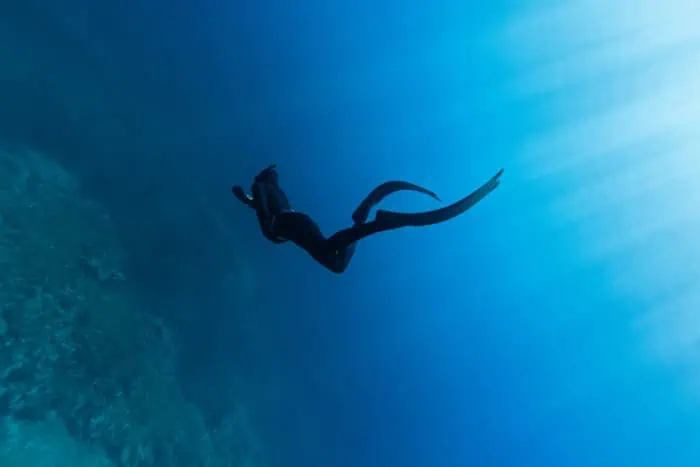
This can be a coin toss; they might have decent technique if their friend is really experienced. But more often than not, the person either has a bunch of bad habits that could become dangerous the deeper they go, or they’ve never experienced some of the essential parts of a course: pool basics, theory essentials, buddying, safety, or rescue procedures, just to name a few. There’s a reason a certification course is so thorough; you need every aspect to understand the whole!
Also, on an even more serious note – insurance. In the small print of an instructor’s professional diving insurance, if a student dives outside of the limits of their certification and suffers an incident, the instructor will be denied coverage. That’s a gamble that most instructors shouldn’t be willing to take.
Final Thoughts
Being a freediving instructor is hard work, but it’s extremely rewarding when you’re sharing your passion with the right students. There’s nothing sweeter than seeing a student come up from their first completely relaxed dive, their face shining with pure joy.
But to get to this magical moment, you need to be willing to do the work. That means showing up prepared (able to swim), investing in a proper course, trusting progression even when your ego is screaming to push harder, and learning to walk before attempting to run.
The student that freediving instructors love? They show up eager to learn, respect the sport’s limits, and trust the process. They’re the ones who make instructors genuinely passionate about teaching and will get the most out of their freediving course.
Be that student.