Recently Emily Tucker visited the Japenese Ama Divers to get a modern Freedivers insight into this ancient group of Women Freedivers. As a follow up to the popular article here is the picture story of Emily’s visit with the Ama and the fascinating culture and lifestyle they have.
1 of 22
Sayuri is in her mid-60s and is one of the best divers in Toba City. She practiced Funado diving (variable weight) with her husband in the past but stopped after an ear injury. She told me that she doesn't like to fish with her husband anymore because he works her too hard!
A modern freediver dressed as an Ama, wearing traditional white attire and headgear, exploring Japanese diving culture and heritage.
Fishing as the Ama do is one of the most sustainable existences a person can have. Most of the ladies keep gardens growing everything from tomatoes to rice and the shells of their catch are ground up for fertiliser.
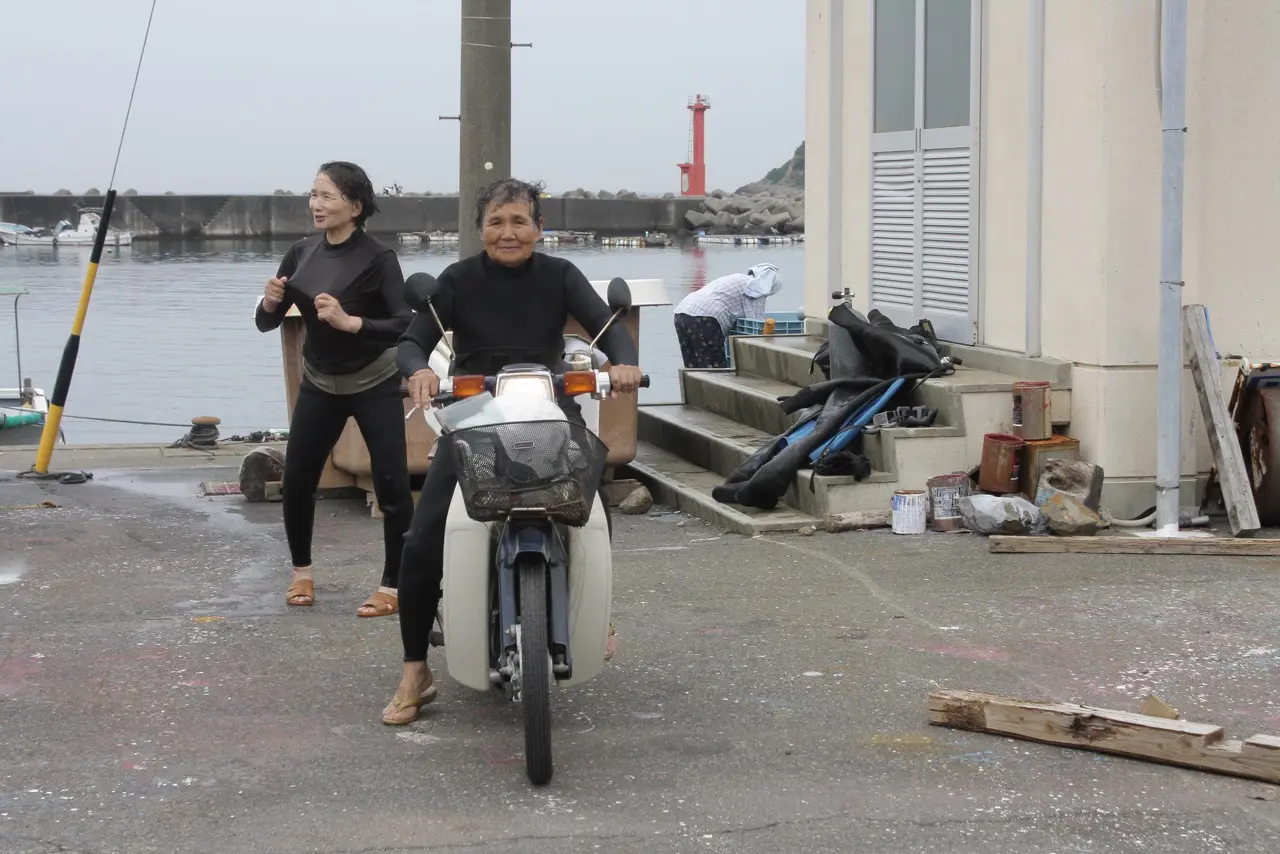
A modern freediver prepares to dive near the harbor, with two women walking and a person in the background, capturing a moment of traditional Ama diving culture.
The first goggles (1878) were very basic with a special pressure release valve and eventually evolved into the large windowed, nose covering masks you see them wearing today.
The modern float (Tanpo) used by the Ama for resting and storing the catch.
A modern freediver wearing a wetsuit and mask, holding a yellow float, practicing traditional Ama diving techniques in the ocean under a cloudy sky.
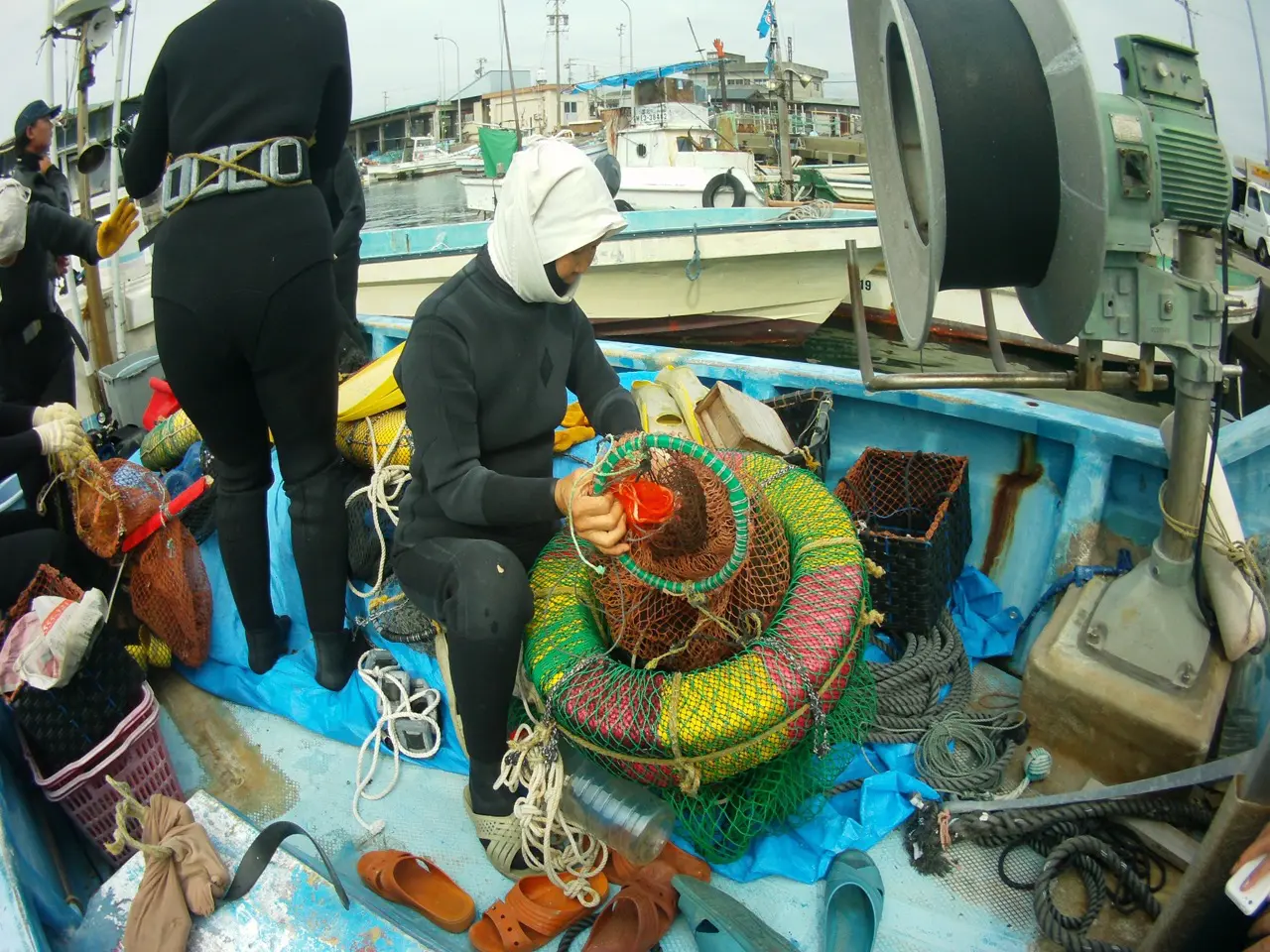
The Ama busily prepare for a productive day of diving.
A freediver prepares her gear on a boat, highlighting traditional Ama diving practices and modern freediving techniques in a maritime setting.
This was the only abalone I found as they are very well hidden and it takes a trained eye to spot them.
A modern freediver in wetsuit and mask practicing traditional Ama diving techniques in calm waters, highlighting cultural heritage and underwater exploration.
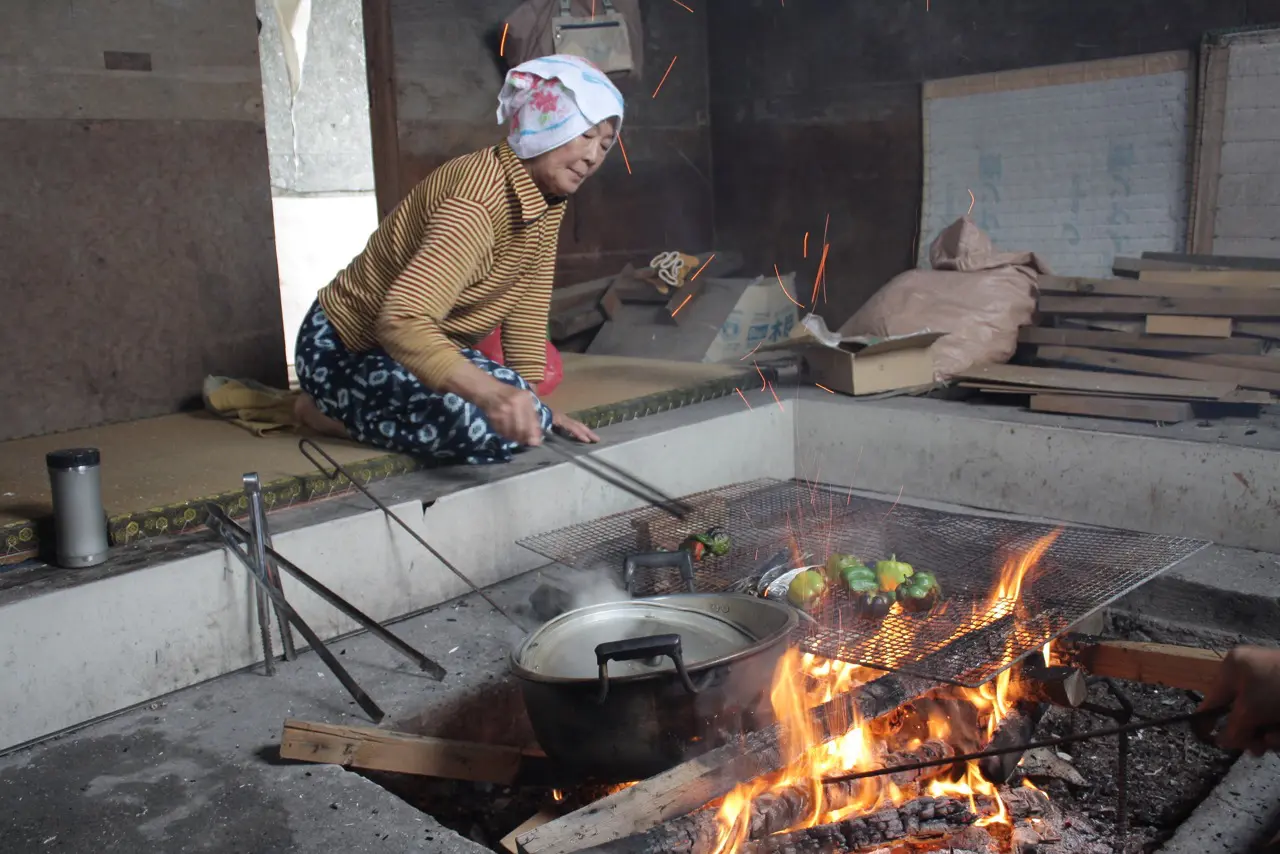
This is the real Ama goya, not the one seen by tourists. This Ama is cooking some peppers, sweet potatoes, and little fish as the other Ama prepare the catch of the day in the tourist restaurant.
A modern freediver visits the Ama preparing traditional food over an open fire in Japan. The scene highlights cultural heritage and underwater exploration.
The decisions to adopt modern diving equipment are always based on sustainability and whether the gear could lead to overfishing. The Ama prefer to keep things challenging!
The image shows traditional Ama diving gear, including wetsuits, flippers, and diving accessories, displayed in a rustic setting, highlighting the connection between modern freediving and cultural her.
While fins and a mask are commonplace amongst the modern Ama, snorkels are not used as this makes scoping out the sea floor from your float “too easy” as they try to keep the human advantage to a minimum.
A modern freediver prepares to dive, wearing a hood and mask, holding a red float, during a visit to the traditional Ama diving community.
Sayuri shows me the tako (octopus) she caught.
A modern freediver in the ocean holding an octopus, showcasing underwater exploration and marine life interaction, emphasizing freediving skills and ocean conservation.
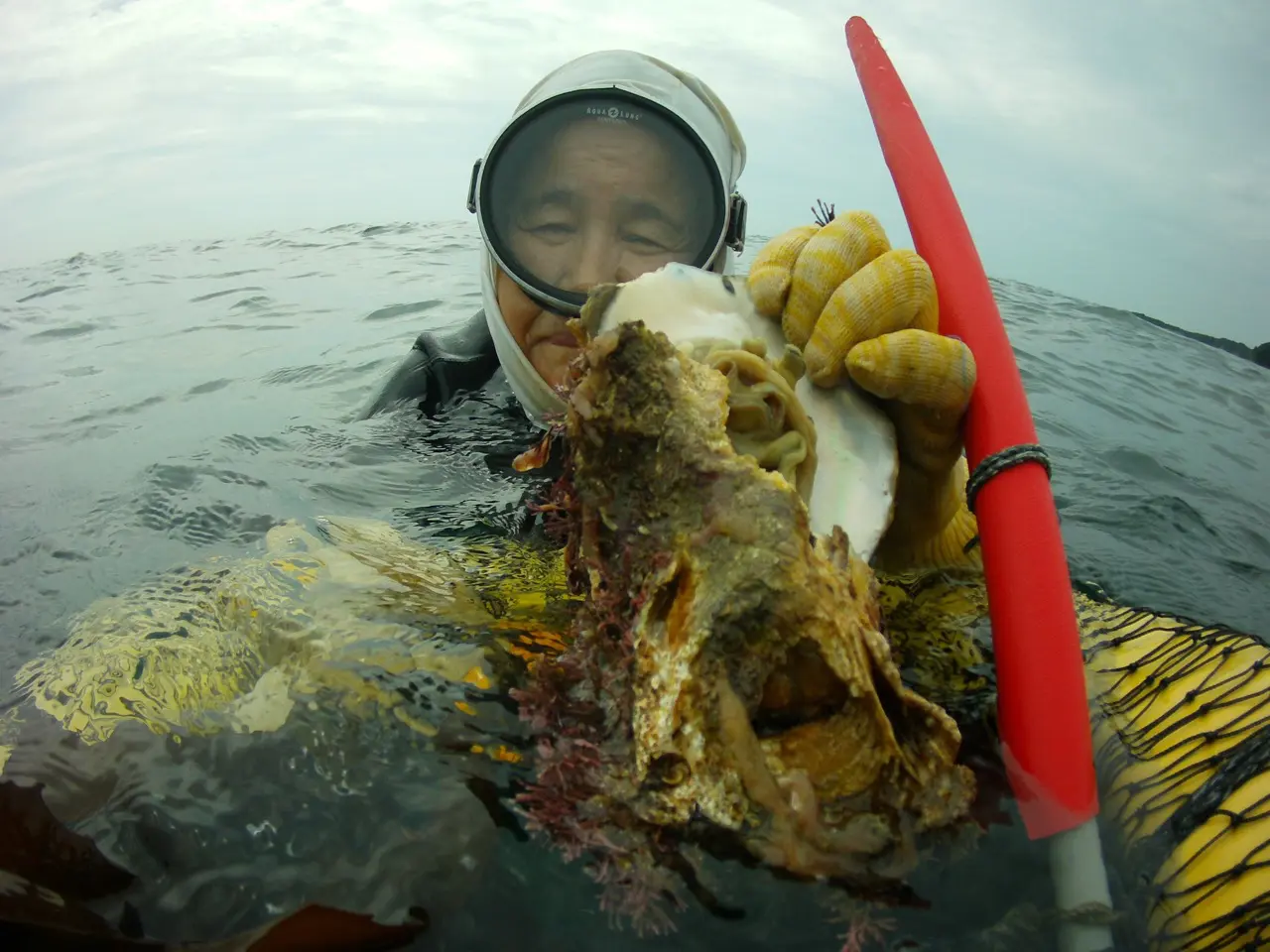
These are the large wild oysters (itabogaki) that are gathered in summer months.
A modern freediver holds a large ocean creature, surrounded by marine life, during a diving expedition inspired by traditional Ama divers.
These sazae (turban snails) live in thick seaweed along the rocky coast and were the easiest for me to find due to their unmistakeable shape. It wasn't turban snail season when I visited but Sayuri allowed me to gather a few to try.
A modern freediver in the water holding a colorful fish, showcasing traditional Ama diving skills and underwater exploration.
An Ama in action, scanning the benthic community for the hiding spots of abalone.
A modern freediver in wetsuit and fins explores an underwater Ama fishing site, surrounded by kelp and marine life, showcasing traditional Japanese diving culture.
An Ama in action, scanning the benthic community for the hiding spots of abalone.
A modern freediver swims among kelp and rocks, embracing the ocean's beauty during a visit to the Ama, highlighting underwater exploration and marine life.
The Ama are heavily weighted for diving in less than 15m making it easy to crawl along the sea floor.
A modern freediver in wetsuit and gear explores a vibrant underwater kelp forest, showcasing advanced freediving techniques and connection with marine environments.
Here we have an Ama descending along her float line, a very familiar practice amongst modern freedivers.
A modern freediver in a wetsuit and mask, descending into the ocean with a line, capturing the serene and immersive experience of free diving in a traditional Ama setting.
The past meets the modern age as I observe the lovely Ama.
A modern freediver in a wetsuit with fins, swimming near underwater plants, capturing the essence of traditional Ama diving practices in clear blue water.
An Ama descends with nomi (chisel) in hand. There are different types of nomi used depending on the size of abalone and the hooked version is useful for lobsters and sea urchins as well.
A modern freediver descending into the ocean, showcasing advanced freediving techniques and connection with marine environments, inspired by Ama traditions.
Observing without getting in the way isn't easy!
A modern freediver in a wetsuit with fins, swimming calmly beneath the water surface near the Ama, showcasing traditional Japanese diving culture and deep-sea exploration.
Getting a big smile and nod of approval from Sayuri made my day!
A modern freediver visits the Ama, holding a traditional basket while swimming in the open sea, showcasing cultural heritage and underwater exploration skills.
An Ama gazes out of her office window. As much as the Ama emphasise that their goal is to fish, I don't believe that is the only reason they come to work each day.
A modern freediver dressed in a hood and wetsuit holding yellow fins, preparing for a dive near the Ama fishing community, highlighting traditional Japanese diving practices.